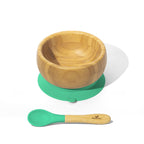
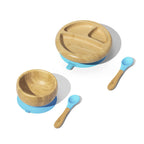
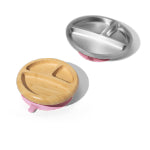
Quick answer: To get soap taste out of a silicone plate, rinse it thoroughly, then use either a baking soda paste or a diluted white-vinegar soak. Rinse again with hot water and let the plate dry completely. Use the two methods separately, and always follow the plate manufacturer's care instructions.
Why do silicone plates taste like soap?
A soapy taste usually comes from detergent residue or fragrance oils left on the silicone surface. Strongly scented dish soap, dishwasher detergent, and products containing essential oils or moisturizers can make the problem more noticeable. Food served warm may also make a lingering taste or smell easier to detect.
Before deep-cleaning the plate, rinse it well under hot running water. If the taste disappears, the problem may have been surface residue. If it remains, try one of the methods below.
Method 1: Use a baking soda paste
Wet the silicone plate with water.
Sprinkle baking soda over the surface and add just enough water to make a paste.
Rub the paste gently over the plate with a soft sponge or cloth.
Let the paste dry for a few hours.
Rinse thoroughly with hot water, then air-dry the plate completely.
Baking soda is mildly abrasive, so use a soft sponge and avoid aggressive scrubbing that could damage the surface.
Method 2: Soak the plate in diluted white vinegar
Mix equal parts white vinegar and warm water in a clean basin.
Submerge the silicone plate for about 30 minutes.
Rinse it very thoroughly with hot water.
Let it air-dry completely before using it again.
Do not combine vinegar and baking soda in the same step. Their reaction reduces the cleaning effect of both ingredients. If the first method does not work, rinse the plate completely before trying the other method.
Can you boil silicone to remove a soap taste?
Some 100% silicone products can be boiled, but not every silicone plate is made the same way. Plates may include plastic, adhesive, printed details, or other materials with different heat limits. Only boil a plate if its manufacturer specifically says that the entire product is safe to boil, and follow the stated time and temperature instructions.
Do not place silicone tableware in an oven unless the manufacturer explicitly identifies that exact product as oven-safe.
How to prevent a soapy taste from returning
Use less detergent. More soap does not always mean cleaner dishes, and excess detergent can leave more residue.
Choose mild, fragrance-free soap. Avoid strongly scented formulas, essential oils, moisturizers, and harsh degreasers when possible.
Rinse thoroughly. Pay attention to rims, suction bases, dividers, and other areas where water can collect.
Let the plate dry completely. Air-dry it in an open position before stacking or storing it.
Check dishwasher instructions. Use the rack and cycle recommended by the manufacturer, and avoid adding more detergent than the appliance requires.
When should you replace a silicone plate?
Stop using the plate if it has deep cuts, cracks, peeling areas, permanent stickiness, or other damage. If a strong taste remains after careful cleaning and rinsing, contact the manufacturer for product-specific guidance or replace the item.
Frequently asked questions
How do I get dishwasher taste out of silicone?
Rinse the item thoroughly, then try the baking soda paste or diluted-vinegar soak above. To help prevent the taste from returning, use a fragrance-free detergent, reduce the detergent amount, and follow the manufacturer's dishwasher instructions.
Why does my silicone plate smell fine but make food taste soapy?
A thin residue may be easier to taste than smell, especially when warm food touches the plate. A careful rinse and separate baking soda or vinegar treatment can help remove it.
Can I use lemon juice instead of vinegar?
Lemon juice is also acidic, but it can leave its own scent or residue. White vinegar is easier to measure and rinse away. Whichever food-safe acid you use, dilute it, rinse thoroughly, and follow the product's care instructions.
Is a soapy taste a sign that the silicone is unsafe?
A soapy taste often points to detergent or fragrance residue, but the cause cannot be confirmed from taste alone. Stop using any plate that is damaged, has a persistent chemical odor, or continues to affect food after cleaning. Contact the manufacturer if you are unsure.