Toddler Feeding Tips: Navigating Picky Eating & Building Support
October 22, 20253 min read
Toddler Feeding Tips: Navigating Picky Eating & Building Support
Feeding a toddler picky eating is unpredictable,one day they love broccoli, the next they push it away. These tips combine expert guidance, community support, and practical tools to turn mealtime challenges into opportunities for healthy, meaningful connection.
Understanding Your Toddler’s Appetite
Your toddler’s growth slows dramatically compared to infancy, which means they don’t need as many calories as they used toscarymommy.com. This slowdown often results in unpredictable eating patterns: some days they’ll eat everything, and others they’ll barely touch their plate. According to pediatric nutritionist Lucy Upton, this fluctuation is completely normal, and there’s no need to panic if your child refuses a mealscarymommy.com. The first of our toddler feeding tips is to adjust your expectations—your child’s appetite will vary, and that’s okay.
Expect Short Attention Spans
Toddlers are curious and energetic, which means they’re not inclined to sit for long, leisurely dinners. Upton notes that they might only stay at the table for two to five minutes at meal timesscarymommy.com. Rather than forcing them to sit longer, try to make those few minutes count by offering a variety of nutritious foods and keeping distractions (like toys or screens) to a minimum. Accepting that meals will be brief makes everyone happier and reduces mealtime battles—an essential part of any set of toddler feeding tips.
Trust Their Hunger Cues
One of the most important toddler feeding tips is learning to trust your child’s internal hunger and fullness signals. Upton reassures parents that toddlers have an innate mechanism that tells them when they’re hungry and when they’re fullscarymommy.com. This means some days they’ll “eat you out of house and home,” while other days they’ll seem to “survive on photosynthesis”scarymommy.com. Pressuring children to eat when they’re not hungry or restricting food when they are can disrupt this natural regulation. Instead, offer balanced meals and let them decide how much to eat. Over time, this approach fosters a healthy relationship with food and reduces power struggles.
Build Your Feeding Village
Feeding isn’t just about the food—it’s also about support. That’s why Momcozy’s “More Than Pumping, Real Support with Trusted Voices” campaign resonated with so many parents. The company created a digital toolkit co‑developed with doula Latham Thomas, offering classes with lactation consultants and guided meditation sessionsscarymommy.com. They also partnered with parents like Becca Kufrin to share honest stories about breastfeeding challengesscarymommy.com. These resources remind us that no one should navigate feeding alone. Whether you’re breastfeeding, bottle feeding or introducing solids, building a community of support helps you find answers and encouragement when you need it.
More Than Meals: Holistic Support
Momcozy’s commitment didn’t end with Breastfeeding Awareness Month. They hosted events like “Mommy Meditation” walks and seminars for lactation consultantsscarymommy.com and kept their toolkit available all year because mothers deserve a villagescarymommy.com. This message aligns with our toddler feeding tips: having access to experts and fellow parents makes it easier to tackle challenges like
picky eating
or transitioning from breast milk to solid foods. Support groups, whether online or in person, provide a safe space to vent frustrations and celebrate successes.
Diversity in the Diet: Preventing Allergies
Introducing a wide variety of foods early on may reduce the risk of food allergies. A Swedish study featured on Scary Mommy found that infants who tried 13–14 different foods by nine months cut their allergy risk by 45% compared to those who tried fewer foodsscarymommy.com. The research suggests that early introduction of allergenic foods like eggs and peanuts, with guidance from your pediatrician, could be beneficialscarymommy.com. When you’re compiling your own toddler feeding tips, remember to consult with healthcare professionals about safe timing and portions. There are also certain foods—like honey and whole nuts—that should be avoided in the first year due to choking or illness risksscarymommy.com.
Safe and Sustainable Feeding Tools
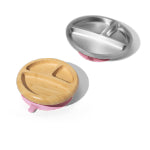
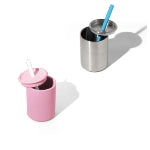
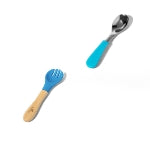
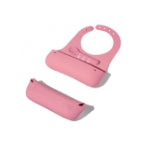
Choosing the right utensils can make mealtimes smoother and safer. Avanchy offers eco‑friendly feeding products made from bamboo and food‑grade silicone. Their bowls and plates feature silicone suction bases that prevent spills and help toddlers learn to self‑feed. For a durable, non‑slip option that’s perfect for baby‑led weaning, check out our popular Baby Bowl + Spoon. By opting for sustainable materials, you avoid exposing your child to harmful chemicals often found in plastics. For more ideas on safe feeding gear, explore our sustainable feeding solutions and toddler feeding blog on Avanchy’s website. Integrating safe tools into your toddler feeding tips ensures your child can explore new foods confidently while you enjoy peace of mind.