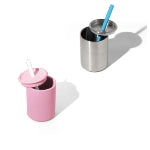
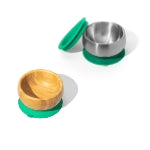
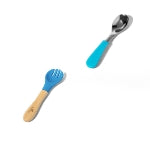
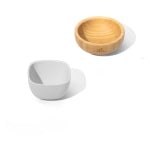
Yes—metal utensils can usually be used on uncoated stainless steel cookware and dishware. They may leave cosmetic scratches, especially when scraped or pressed hard, but ordinary surface marks do not normally stop stainless steel from working as intended. The answer changes if the item has a nonstick, ceramic, painted, or other coated surface: follow that product's care instructions and avoid metal tools when the coating can be damaged.
Can metal utensils scratch stainless steel?
Yes. A metal spatula, fork, whisk, or spoon can leave fine marks on polished stainless steel. Sharp edges and forceful scraping are more likely to mark the surface than gentle stirring or serving.
Light surface scratches are usually a care and appearance issue, not an automatic reason to discard an uncoated stainless steel pan, bowl, or plate. Keep the item clean and dry it after washing.
Deep damage deserves more attention. Research on food-contact surfaces has found that scratches and food residue can make microorganisms harder to remove, which reinforces the need for thorough cleaning. Replace an item if it develops sharp burrs, deep pitting, cracks, separated layers, rust that does not clean away, or damage to a coating.
Stainless steel cookware and stainless steel plates are different
Cookware is exposed to high heat and repeated scraping during cooking. Plates and bowls are used mainly for serving and eating. Metal utensils can mark either one, but a child's feeding dish also needs to remain smooth around the rim and eating surface.
For everyday feeding, a silicone or child-size stainless steel utensil is often easier on the dish and more comfortable for the child. If you use metal cutlery, check it for rough or sharp edges and supervise children during meals.
How to reduce scratches
Use smooth-edged utensils and avoid knives or serrated tools on the surface.
Lift food instead of forcefully scraping the bottom.
Choose silicone, wood, or nylon when you want to preserve a polished finish.
Do not cut food directly inside a stainless steel pan, plate, or bowl.
Place a soft divider between stacked pieces if storage causes rubbing.
How to clean stainless steel after using metal utensils
Let hot cookware cool before washing.
Wash with warm water, dish soap, and a soft sponge or cloth.
Soak stubborn food residue instead of attacking it with a knife or harsh abrasive.
Rinse thoroughly and dry the surface.
Follow the manufacturer's directions before using a stainless steel cleaner or polish.
Do not assume that a cleaner safe for bare stainless steel is safe for silicone parts, printed designs, or coated surfaces.
What about stainless steel baby plates and bowls?
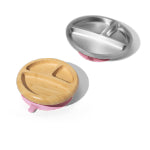
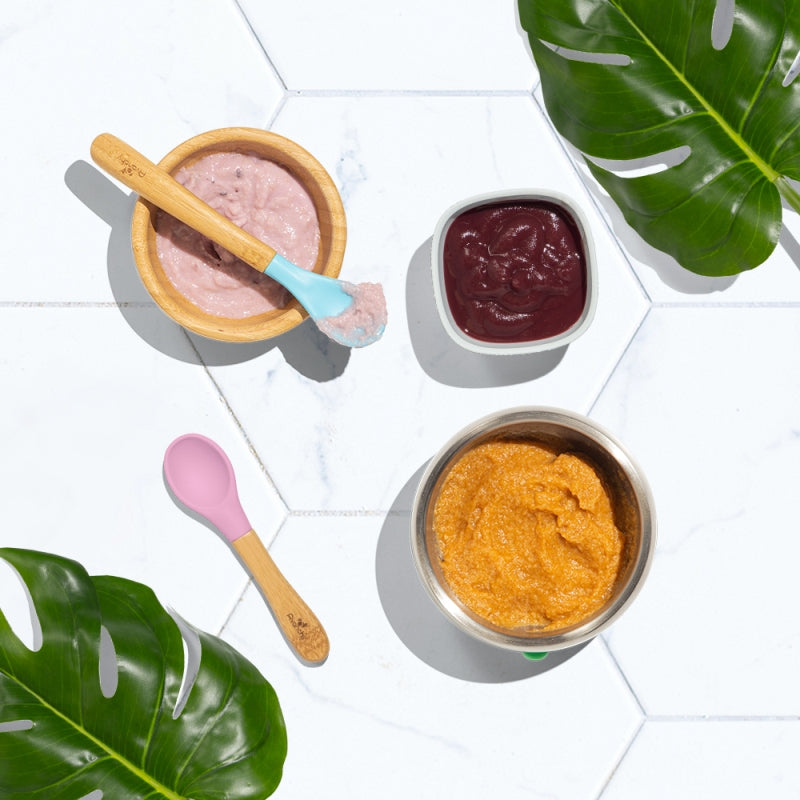
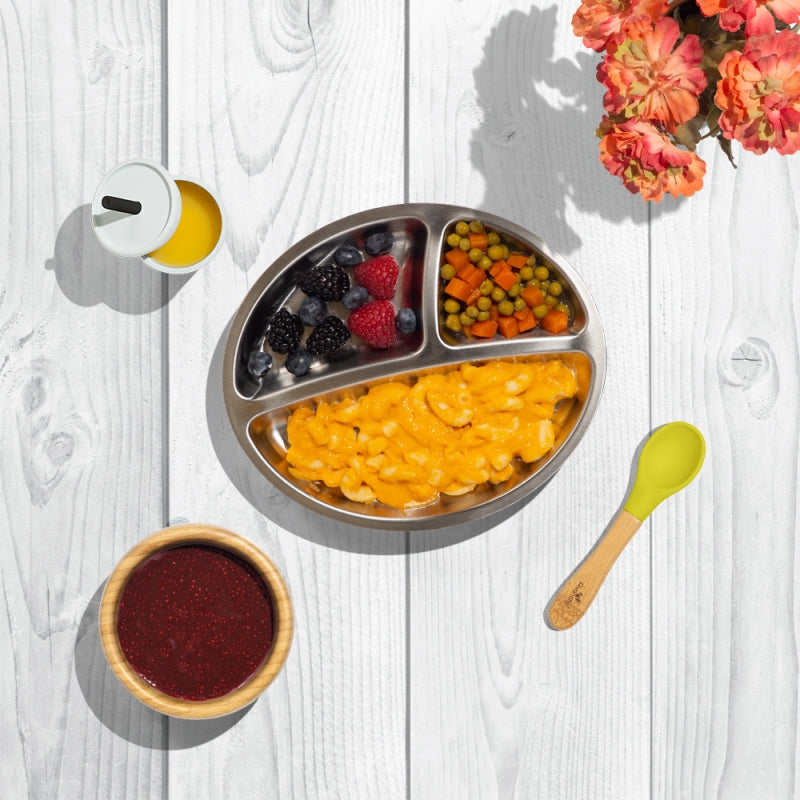
Avanchy's stainless steel feeding pieces combine an uncoated stainless steel eating surface with removable silicone components. Use smooth utensils, clean the parts according to their care instructions, and inspect the eating surface and edges regularly.
Can I use a metal spatula on a stainless steel pan?
Usually yes, if the cooking surface is uncoated stainless steel. Use a smooth edge and avoid aggressive scraping. Follow the manufacturer's instructions if the pan has a coating.
Do metal utensils ruin stainless steel pans?
Normal use may leave cosmetic marks, but light scratches do not usually ruin an uncoated stainless steel pan. Deep gouges, pitting, exposed layers, or damaged coatings need individual assessment.
What utensils are best for stainless steel?
Metal, silicone, wood, and nylon can all work with uncoated stainless steel. Silicone, wood, and nylon are better when preventing cosmetic scratches is the priority.
Should I replace a scratched stainless steel plate?
Fine surface marks alone do not usually require replacement. Replace the plate if damage creates sharp edges, deep pits, cracks, rust that persists after cleaning, or another surface defect that prevents thorough cleaning.
Subscribe
Sign up to get the latest on sales, new releases and more …