How to Reduce Choking Risk When Babies Start Solids
May 28, 20244 min read
Choking risk cannot be removed completely, but caregivers can reduce it by preparing food for a child’s developmental stage, keeping the child seated, supervising every bite, and knowing how to respond in an emergency. Plates and utensils can support a calm feeding routine, but no dish or spoon can prevent choking.
How to reduce choking risk at a glance
Have the child sit upright in a high chair or another safe, stable seat while eating.
Watch the child throughout every meal and snack.
Prepare food in a shape, size, and texture suited to the child’s development.
Avoid foods that are hard, round, sticky, or difficult to chew and swallow unless they are prepared safely.
Keep meals calm and free from rushing, walking, crawling, playing, or distracting screens.
Learn infant and child choking first aid and CPR from a qualified instructor.
What is the difference between gagging and choking?
Gagging is a protective reflex that can occur while a baby learns to manage food. A gagging child may cough, make noise, or push food forward. Choking happens when food or another object blocks the airway.
According to the American Academy of Pediatrics, urgent signs of choking can include being unable to breathe, cry, talk, or make noise; gasping or wheezing; turning blue; appearing panicked; or becoming limp or unresponsive. A child with those signs needs immediate emergency help.
The safest preparation depends on a child’s age, oral-motor skills, and development. The CDC recommends changing the shape, size, and texture of food to match the child’s abilities. Cooking, mashing, shredding, or cutting foods appropriately can make them easier to manage.
Do not rely on a single rule such as “small pieces are always safer.” Some small, round, firm, sticky, or slippery pieces can still block a young child’s airway. Ask your pediatrician or feeding specialist for individual guidance if your child was born prematurely, has trouble swallowing, has oral-motor delays, or has another feeding concern.
Common food choking hazards
The CDC and American Academy of Pediatrics identify foods that often need to be avoided or modified for babies and young children. Examples include:
Whole grapes, cherries, berries, or cherry tomatoes
Hot dogs, sausages, meat sticks, and large or tough chunks of meat
Whole nuts and seeds
Chunks or spoonfuls of nut or seed butter
Raw hard fruits or vegetables, including pieces of apple or carrot
Popcorn, chips, pretzels, and hard crackers
Large chunks of cheese or string cheese
Hard or sticky candy, gummy candy, chewing gum, and marshmallows
Keep the child seated upright and focused on eating. Do not allow eating while lying down, walking, crawling, playing, riding in a stroller, or traveling in a car. Keep the pace unhurried, and avoid placing another bite in the child’s mouth before the previous bite has been managed.
Stay close enough to see and hear the child throughout the meal. Supervision means actively watching, not checking from another room or relying on a monitor.
What role do plates and utensils play?
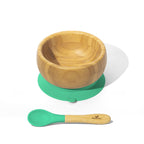
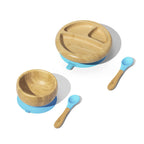
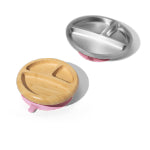
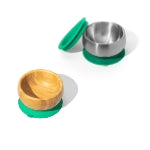
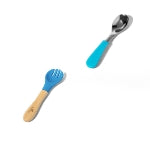
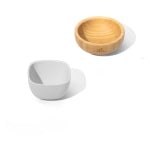
A stable setup can support an organized, seated meal, but feeding gear does not make an unsafe food safe. A suction base may help keep a plate on a smooth tray, and a baby-sized spoon may help present a manageable amount, but food preparation and active supervision remain essential.
Confirm that the plate fits fully on the high-chair tray and that the child is seated securely. You can compare Avanchy’s suction baby plates and baby utensils by size, material, and care routine.
Be ready before an emergency happens
Every parent and regular caregiver should consider a certified infant-and-child first-aid and CPR course. The correct response differs for an infant and an older child, and hands-on training is more reliable than trying to learn the steps during an emergency.
If a child cannot breathe, cry, talk, or make noise, call 911 and provide care according to your training. The American Red Cross offers current guidance on recognizing and responding to infant choking and links to training courses.
Frequently asked questions
Can a baby gag without choking?
Yes. Gagging is a protective reflex and often includes sound, coughing, or visible effort to move food forward. Choking can block breathing and may be silent. Learn the warning signs from a pediatrician or certified first-aid instructor before beginning solids.
Does baby-led weaning remove choking risk?
No feeding method removes choking risk. Developmentally appropriate food preparation, upright seating, active supervision, and caregiver first-aid readiness matter whether a child eats finger foods, mashed foods, purées, or a combination.
Do suction plates prevent choking?
No. A suction base can help keep a plate in place, but it cannot change the safety of the food or replace supervision. Prepare each food for the child’s developmental stage.
Should a child eat in a stroller or car seat?
The CDC advises avoiding food in a car or stroller. For meals and snacks, place the child upright in a high chair or another safe eating seat and watch them closely.
When should I ask for professional feeding guidance?
Talk with your child’s pediatrician if you have concerns about swallowing, repeated coughing or choking during meals, oral-motor development, food textures, prematurity, or readiness for solids. Seek emergency help immediately when a child shows signs of a blocked airway.