How to Help Your Baby or Toddler Eat More Vegetables
October 02, 20203 min read
It is common for babies and toddlers to hesitate around new tastes and textures. A child may reject a vegetable the first time, enjoy it another day and refuse it again later. That does not mean you have failed or that the food should disappear from the menu.
The goal is to give your child calm, repeated chances to explore vegetables while keeping meals safe and age appropriate. These practical ideas can help.
1. Start with a small portion
A large serving can feel overwhelming. Put one or two small pieces on the plate beside foods your child already knows. A tiny portion also makes it easier to offer the food again without creating much waste.
Prepare every food in a texture and shape that matches your child’s feeding skills. Ask your pediatrician for guidance if you are unsure what is safe for your child’s age or development.
2. Offer the same vegetable more than once
Children often need repeated exposure before they accept a new food. The CDC notes that a young child may need eight to ten exposures before being willing to try something new.
Repeated exposure should stay low pressure. Seeing, touching, smelling or licking a food can be part of learning, even when your child does not eat it that day.
3. Serve one familiar food with the new food
Pairing a new vegetable with something familiar can make the plate feel less intimidating. For example, offer soft broccoli beside a familiar grain, or mashed peas beside a food your child already eats comfortably.
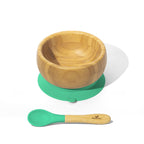
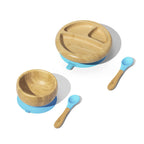
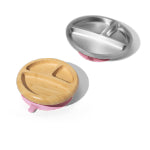
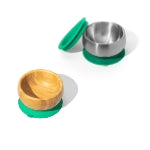
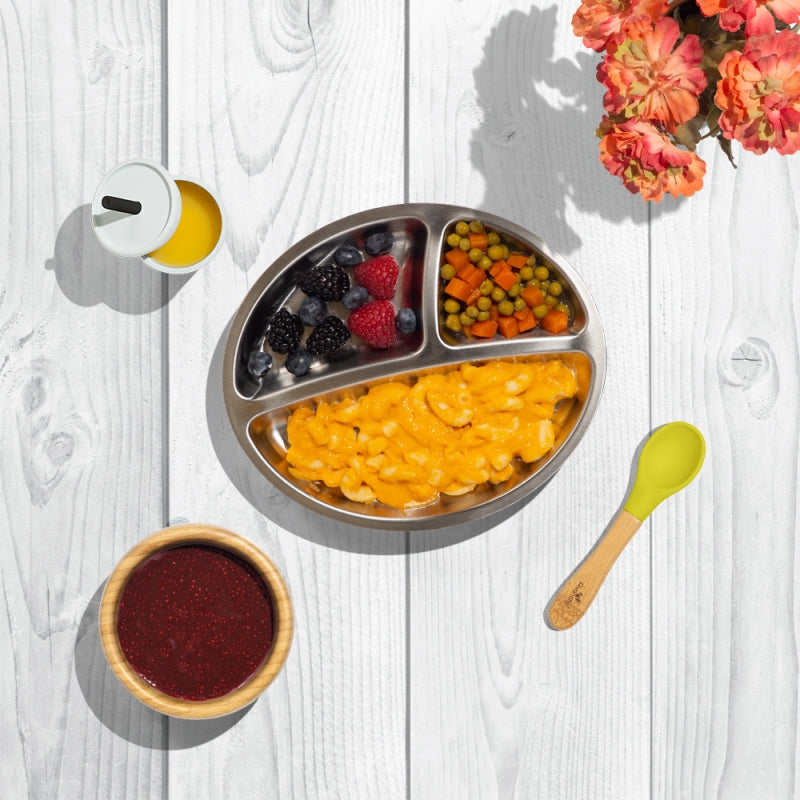
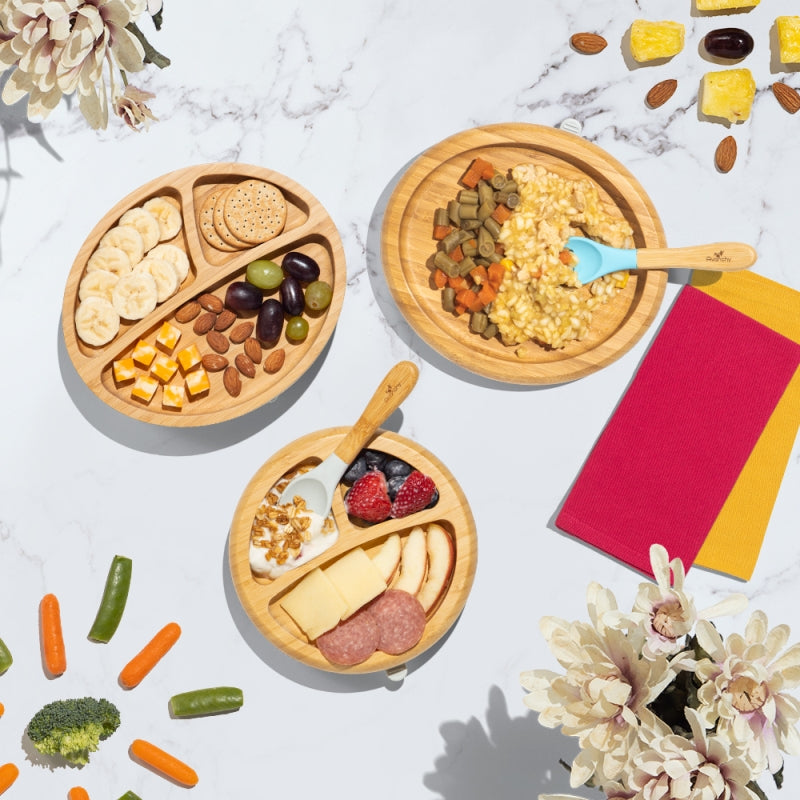
Keep the foods separate if your child prefers that. A divided plate can make each item easier to see and explore. Browse Avanchy’s suction baby plates to compare divided and open designs.
4. Let your child watch you eat it
Babies and toddlers learn by watching. Sit together when you can and let your child see you eating vegetables as part of the same meal. Keep your reaction natural; there is no need to perform or pressure your child to copy you.
5. Change the preparation
Texture, temperature and shape can change how a vegetable feels. A child who refuses one preparation may accept another. Depending on age and feeding skills, you might try a vegetable steamed until soft, mashed, grated, roasted or mixed into a familiar meal.
Avoid hiding every vegetable. Children also benefit from seeing and learning what the food looks, smells and tastes like.
6. Give two simple choices
Offer a limited choice such as, “Would you like peas or carrots with dinner?” Two options can give a toddler some control without turning the meal into a negotiation.
You can also let your child choose a vegetable at the store or help wash and prepare it at home. Participation can make a food feel more familiar before it reaches the plate.
7. Keep meals calm
Try not to force bites, punish refusal or use dessert as payment for eating vegetables. Pressure can make a child more resistant and can turn the vegetable into the unpleasant part of the meal.
Offer the food, let your child decide whether and how much to eat, and try again another day. The American Academy of Pediatrics also recommends avoiding food fights and bribes with treats.
8. Make exploration easy to clean up
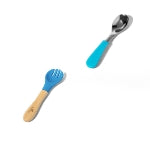
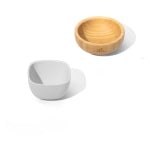
Learning to eat is messy. A stable dish, a washable bib and a simple cleanup routine can make it easier to let your child touch and explore food. Avanchy’s baby feeding collection includes plates, bowls, cups and utensils designed for early mealtimes.
When to ask for help
Talk with your child’s pediatrician or a qualified feeding professional if you are concerned about growth, choking or swallowing, frequent gagging, pain, dehydration, nutritional intake or an extremely limited range of foods. This article offers general ideas and does not replace medical advice for your child.
Frequently asked questions
How many times should I offer a vegetable?
There is no perfect number for every child. The CDC says it may take eight to ten exposures before a young child is willing to try a new food. Keep portions small and the experience low pressure.
Should I reward my child for eating vegetables?
Avoid using sweets or another preferred food as a bribe. It can make the reward seem more desirable and the vegetable feel like a chore. Calm praise for exploring a food is different from requiring a child to finish it.
What if my toddler suddenly refuses vegetables they used to eat?
Food preferences often change during toddlerhood. Continue to offer a variety of foods without pressure and look at patterns across several days rather than one meal.